
A quiet September
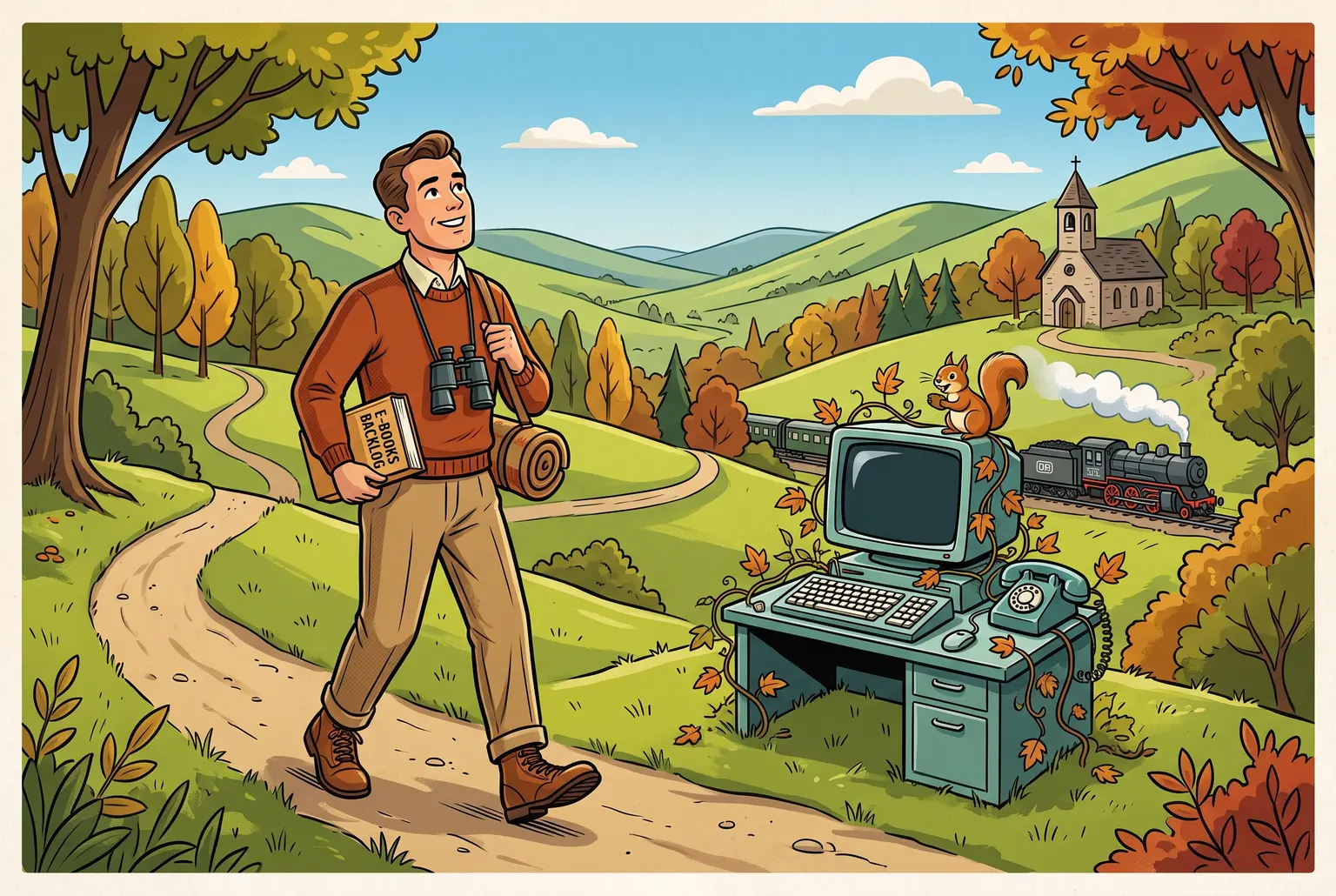
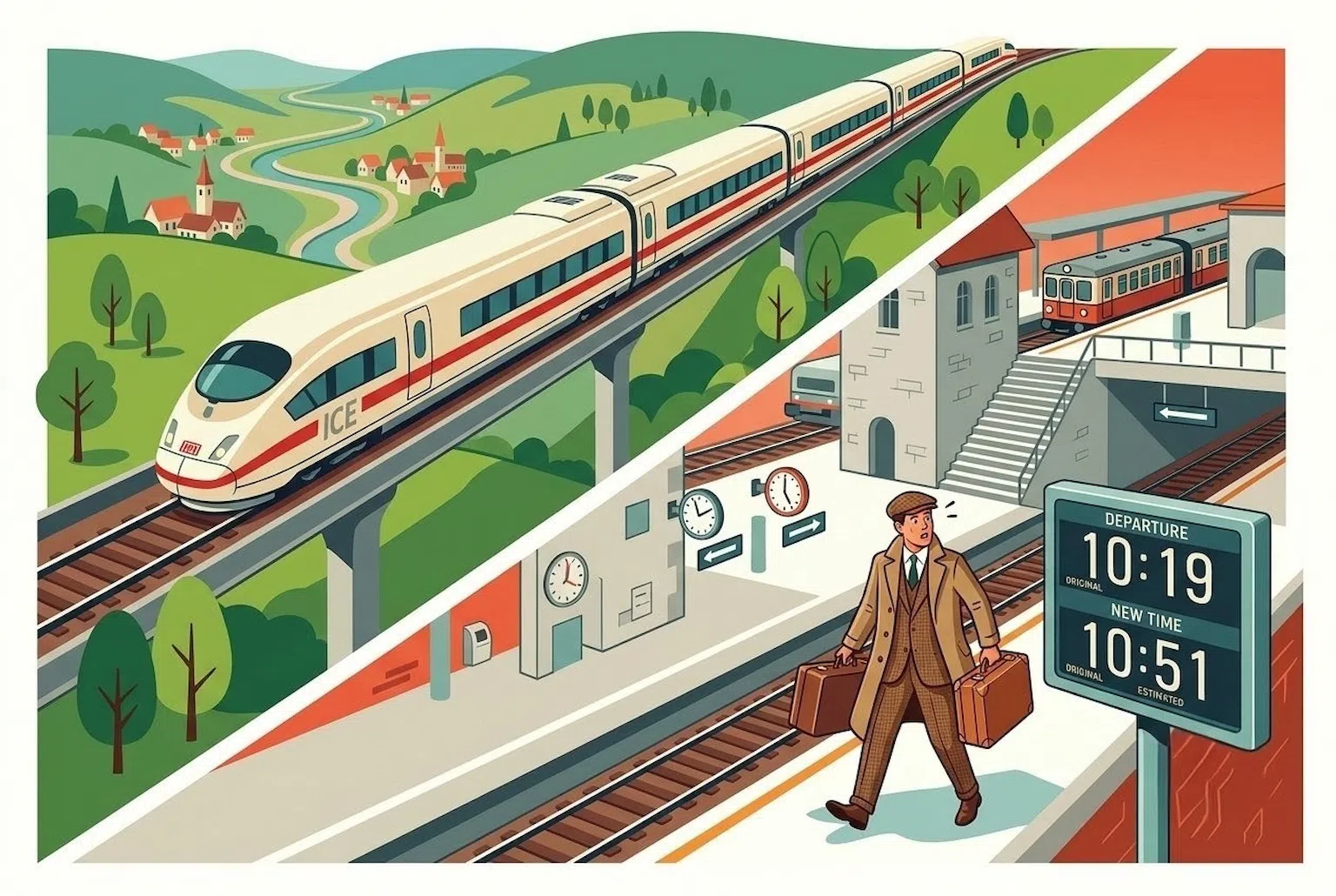
The train from The Art of Not Connecting did, in the end, deliver me to a small valley near Cologne with a delay of only one hour, which by Deutsche Bahn standards is almost an act of tenderness. That's where most of September went, and why this page fell quiet after a lone jotting.
On holiday, I keep one strict rule: the computer stays off. The phone is similarly stripped of its usual authority and demoted to a mere communication device, used only occasionally to confirm to family members that I haven't wandered off a trail and into a ravine.
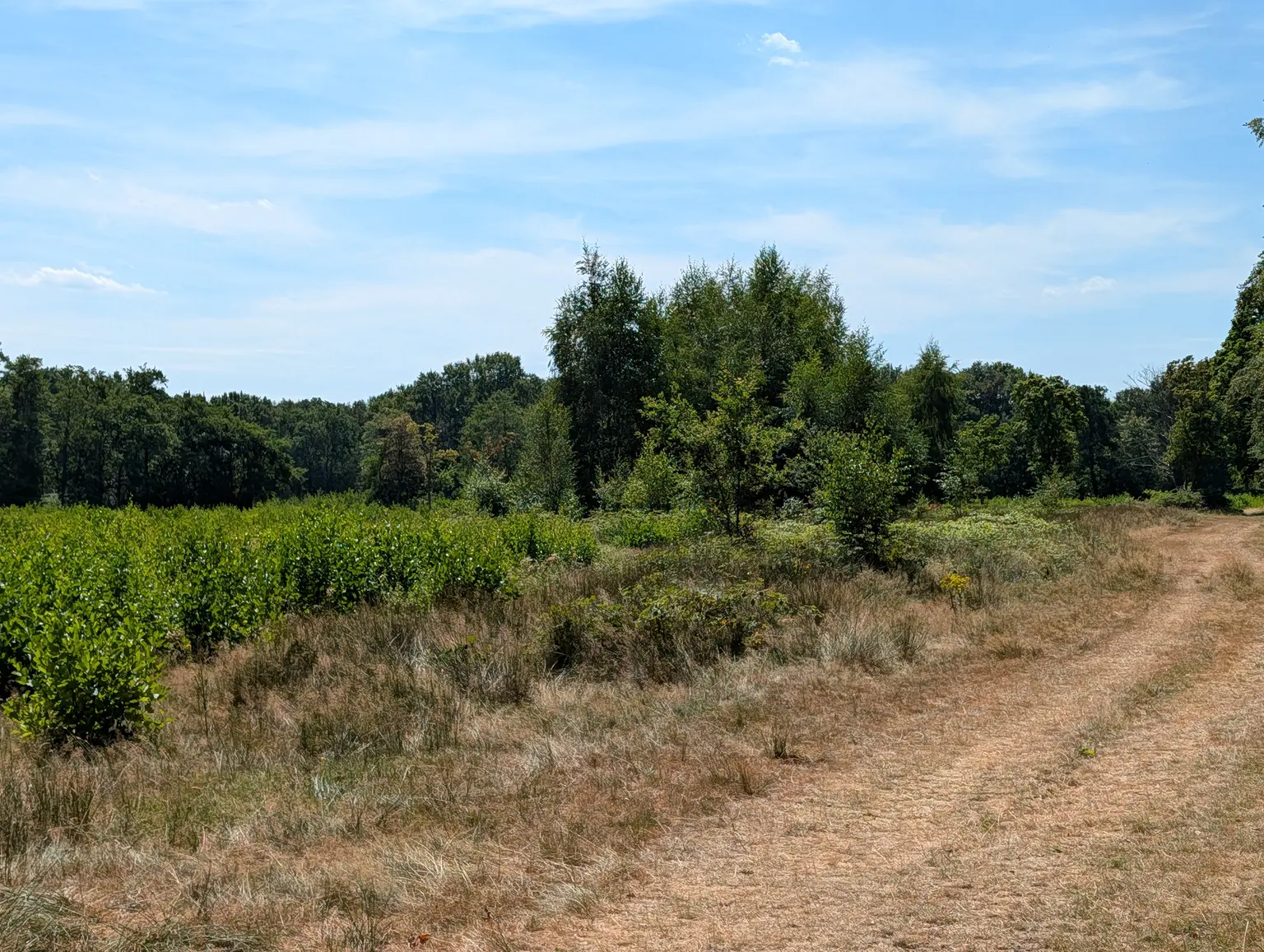
It turns out that when you aren't writing code or obsessing over Home Assistant dashboards, there is an awful lot of time left over for simply putting one foot in front of the other out in the woods, making a proper dent in the backlog of e-books, and poking around a dozen local medieval churches. It is mildly alarming how quickly one adapts to the total absence of digital noise. By day three, the habitual urge to check a screen vanishes almost entirely, replaced mostly by a vague concern about whether the next incline will require lacing the boots a bit tighter.